













⏱️ 6 minute read
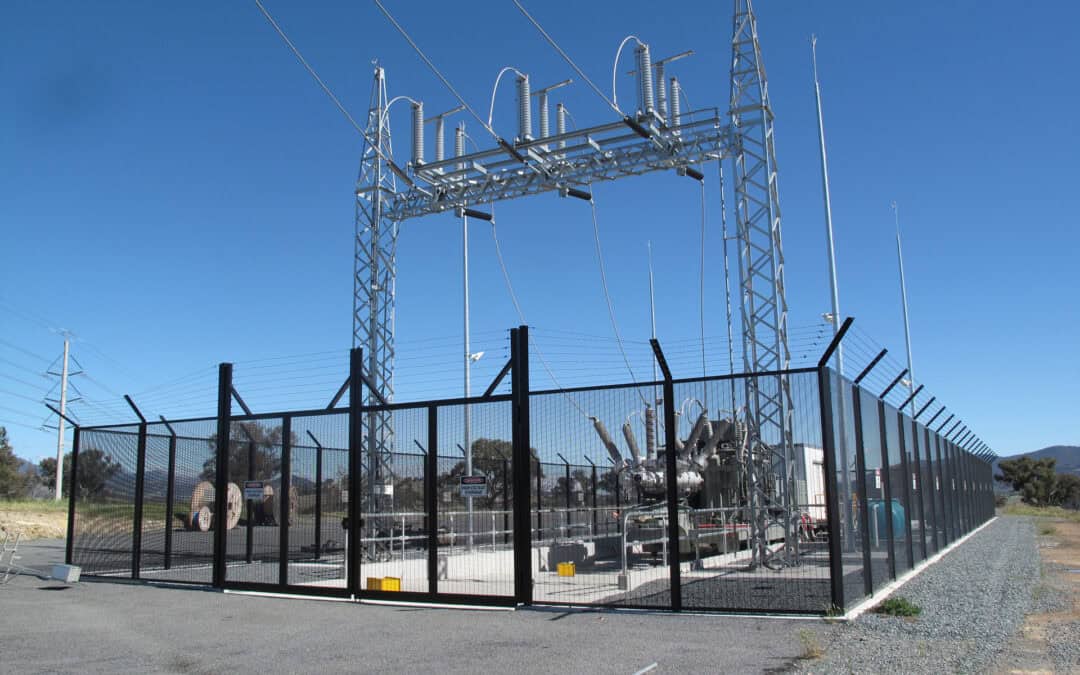
Substation security fencing plays a critical role in protecting electrical infrastructure assets where perimeter failure can lead to safety incidents, service disruption and regulatory exposure. Properly specified perimeter fencing is therefore a core component of site security and operational reliability.
Electrical substations and switchyards present unique perimeter security challenges. Fencing systems must deter deliberate intrusion while preventing accidental public access to hazardous electrical infrastructure, while still allowing operational access for maintenance and emergency response.
Unlike commercial or public area fencing, substation perimeter systems must deter deliberate intrusion while also preventing accidental public access to hazardous electrical equipment, support operational requirements for maintenance and emergency response, and maintain structural performance over decades in exposed environments. These competing demands mean that perimeter design cannot be approached as a conventional boundary solution.
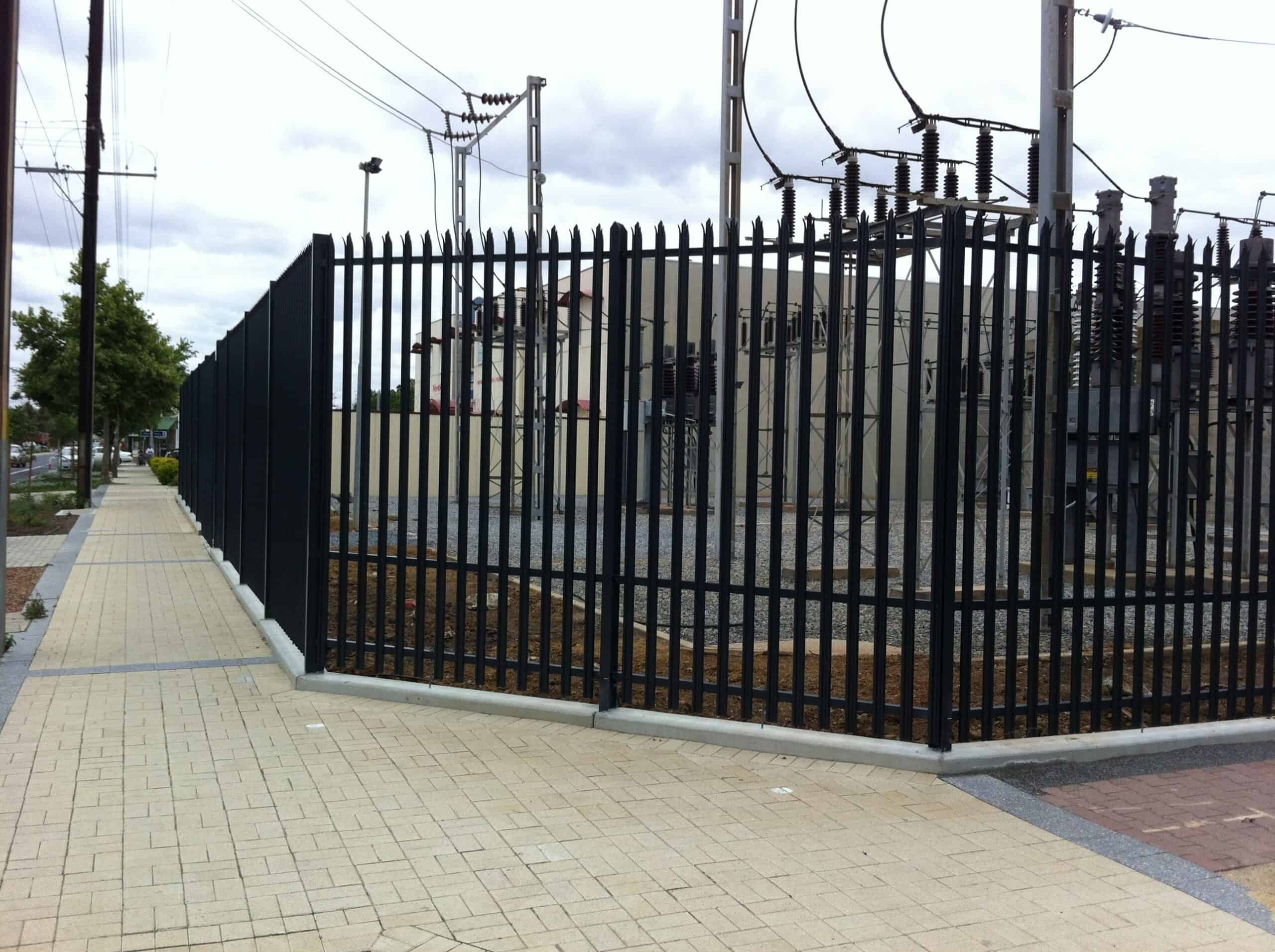
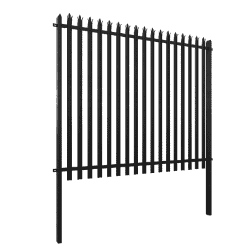
Substation perimeter protected by high security Steel palisade fencing
Regulatory, environmental and operational constraints vary significantly between networks, making site-specific assessment essential when planning substation security fencing in Australia.
Specifiers must often balance competing constraints when defining perimeter requirements. Security performance must be weighed against operational access needs, surveillance visibility against anti-climb capability, and material durability against lifecycle cost. These trade-offs mean that perimeter design decisions require a structured assessment of risk, standards, site conditions, electrical safety constraints, and long-term asset management considerations.
Why substation security fencing in Australia requires a specialised approach
Substation perimeter systems perform a dual role that fundamentally differentiates them from conventional fencing. They must provide effective intrusion deterrence while also maintaining public safety around high-voltage infrastructure.
Operational realities further increase complexity. Perimeters must accommodate controlled access for maintenance personnel and heavy vehicles, maintain visibility for surveillance systems, support security infrastructure such as lighting and detection devices, and resist climbing, cutting or forced entry. At the same time, fencing must remain durable under environmental exposure and compatible with the long service life expected of electrical infrastructure assets.
Electrical safety constraints introduce additional considerations not present in typical perimeter design. Earthing requirements, separation distances from live equipment, and fault conditions can influence material selection, system configuration and allowable fence locations.
Because these factors interact, effective specifications treat the perimeter as an engineered system integrated with electrical safety, operational requirements, environmental exposure and long-term asset management rather than as an isolated boundary element.
Key risks associated with high-voltage sites
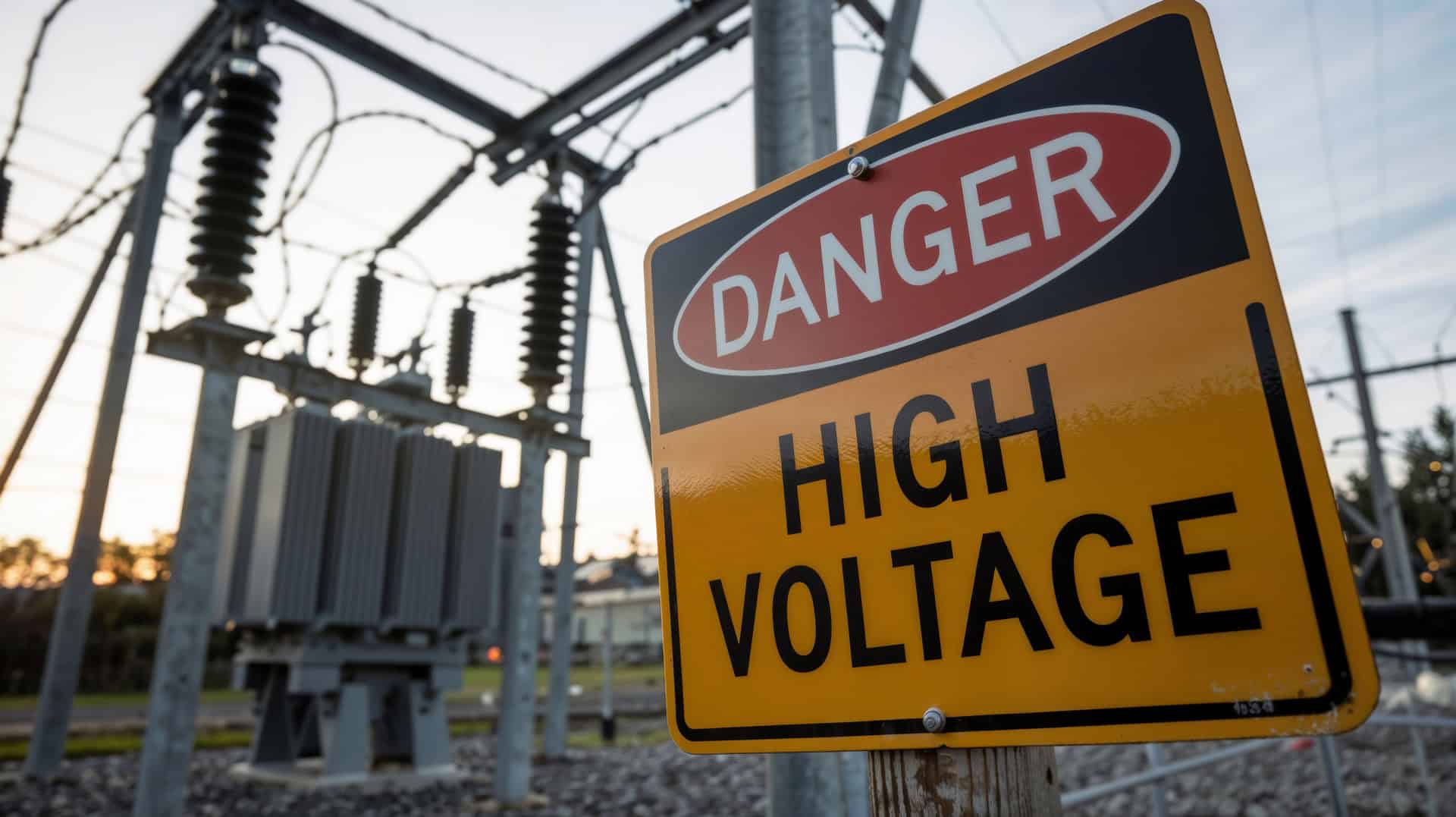
Substation fencing must address risks beyond simple perimeter control in high voltage fencing environments.
Unauthorised access and intrusion
Substations contain valuable equipment and critical operational assets. Fencing must deter opportunistic entry and slow determined intrusion attempts long enough for detection and response.
Public safety hazards
High-voltage environments pose serious danger to untrained individuals. Fencing must prevent accidental entry, particularly near residential areas, public pathways and industrial zones.
Contact with live equipment
Appropriate stand-off distances between fencing and live components are essential to reduce the risk of electrical contact.
Asset protection and service continuity
Damage to substation infrastructure can disrupt power supply to large regions. Perimeter systems must support broader asset protection strategies.
Environmental exposure
Substations are often exposed to wind, corrosion, vegetation growth and ground movement. Systems must maintain performance under these conditions over long service periods.
Australian Standards and guidelines
Substation fencing must comply with a combination of Australian Standards published by Standards Australia, utility specifications and project-specific requirements.
AS/NZS 1170 — structural design actions
Ensures fence systems can withstand wind loading and environmental forces.
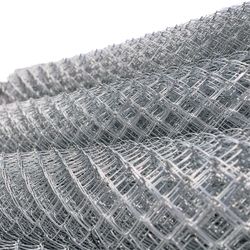
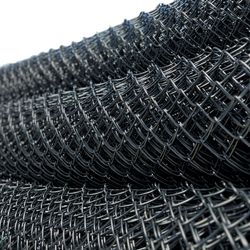
AS 1725 — chain-link fabric security fencing and gates
Provides baseline requirements for chain-link security fencing systems.
Durability and corrosion protection standards
Protective coatings and material selection are critical in corrosive environments.
Utility specifications
Energy providers often publish their own requirements covering fence height, anti-climb performance, clear zones and access control.
Electrical safety considerations
Design may involve earthing, bonding and separation distances to avoid introducing electrical hazards.
Compliance provides confidence that infrastructure is protected, public safety is maintained and lifecycle costs are controlled.
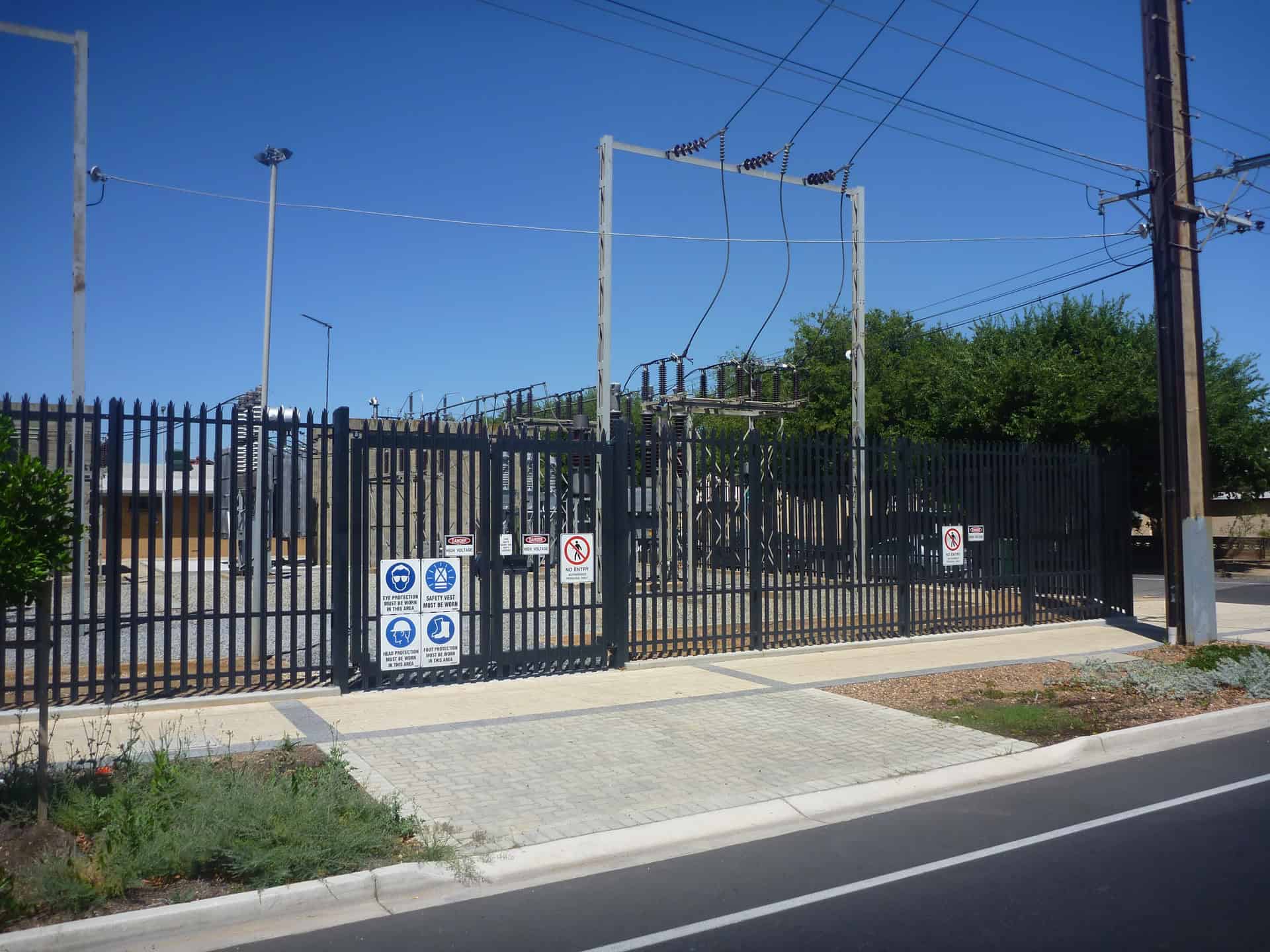
Electrical substation perimeter secured with palisade security fencing.
Network-specific specifications and the Ausgrid region
In addition to Australian Standards, individual energy networks publish their own technical specifications for substation perimeter security. These utility-specific requirements often dictate material choice, mesh aperture, post configuration and fixing systems.
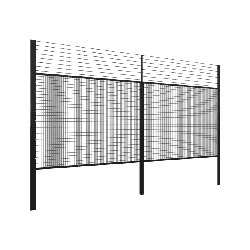
Ausgrid, which manages the electricity distribution network across Sydney, the Central Coast and the Hunter Valley, has historically specified close-spaced welded steel mesh for substation perimeter applications within their network area.
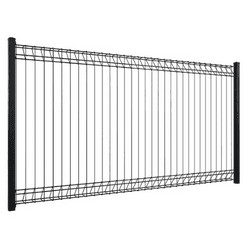
The mesh format used in this specification features a tighter aperture than standard 358 mesh, providing increased resistance to hand and tool insertion while maintaining visibility for monitoring and patrols. The system uses specific post and fixing arrangements aligned with Ausgrid's installation requirements.
Contractors working on Ausgrid substation projects, including upgrades, replacements and new installations, should confirm current specification requirements with the utility before procurement. Manufacturers familiar with the specification can support compliance, ensure correct material supply and reduce procurement risk on network projects.
Other utility networks across Australia may have similar specification frameworks. Early consultation with the relevant network operator is recommended to confirm requirements before finalising fence design.
Design requirements for substation fencing
Effective substation fence requirements must be designed as a complete system.
Anti-climb performance
Systems should minimise footholds and handholds to discourage climbing.
Fence height and perimeter definition
Height should clearly define the boundary of a hazardous area and provide a visible deterrent.
Clear zones and stand-off distances
Adequate separation from live equipment supports safety and maintenance access.
Visibility and surveillance compatibility
Open mesh designs allow clear sightlines for monitoring and patrols.
Gate integration
Access points must maintain the same level of security as the fence line.
Durability
Material selection and structural design must support long service life with minimal maintenance

Engineering design of a security fencing system for electrical substation infrastructure
by the Profence technical team.
Non-conductive considerations
In some high-voltage environments, electrical properties of fencing materials become a design factor.
Sites with elevated touch or step potential risks may evaluate non-conductive options as part of the safety strategy. Metal fencing near high-voltage equipment may also need integration into earthing systems to control voltage transfer during fault conditions.
Non-conductive materials can reduce electrical risks but may involve trade-offs in strength, durability and maintenance. Decisions should be based on site-specific electrical assessments and utility requirements.
Selecting the right fencing system
Choosing a system involves balancing security, safety and long-term performance.
Early selection helps avoid redesign, delays and additional costs during construction while ensuring long-term protection of critical assets.
High-security welded mesh systems such as 358 mesh are widely specified for substation environments due to their anti-climb performance, visibility and structural strength. Systems like Promax 358 are designed as complete perimeter solutions, incorporating engineered posts, secure fixings and compatible gate systems to maintain consistent performance across the entire boundary.
When manufactured and specified correctly, these systems support compliance with Australian Standards, utility requirements and long-term durability expectations for critical infrastructure sites.
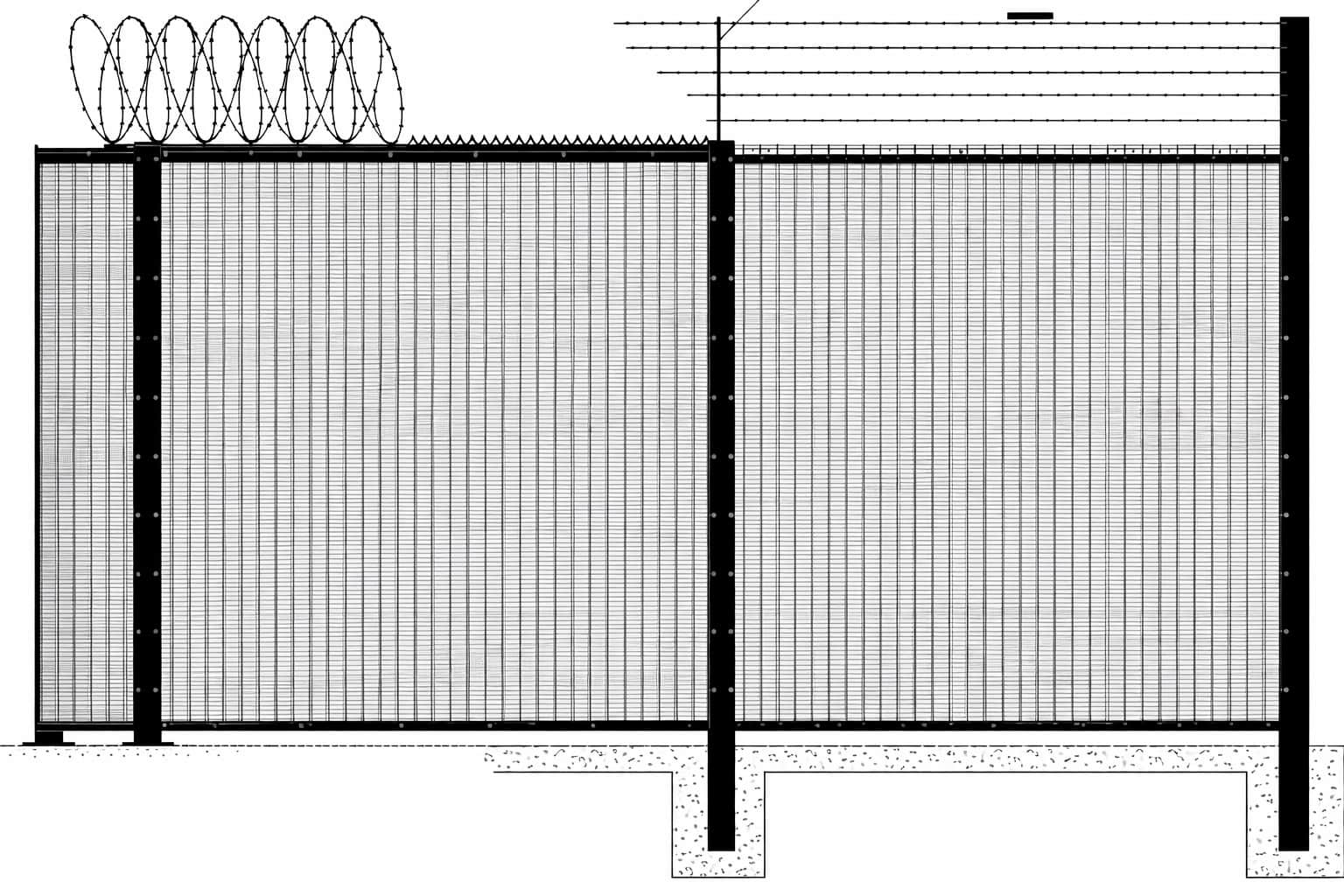
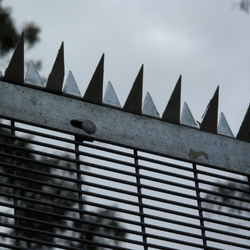
Technical section detail of an anti-climb mesh security fencing system with deterrent toppings for
electrical substation perimeter protection.
Early design input
Perimeter security is often addressed late in projects, leading to compromises and delays.
Engaging fencing specialists early allows perimeter requirements to be integrated with site layout, safety clearances and operational needs. Early input can identify conflicts before they become constraints and supports smoother procurement and installation.
Planning for durability, environmental exposure and future upgrades from the outset reduces lifecycle risk and ensures reliable performance.
A commitment to continuous improvement and growth
Designing security fencing for substations and high-voltage infrastructure requires a coordinated approach that balances safety, compliance and long-term performance. Treating perimeter protection as a core component of infrastructure design helps avoid redesign, delays and unexpected costs.
As Australia’s energy network expands and modernises, robust perimeter security will become increasingly important. Substations, switchyards and emerging energy facilities must be protected against both physical threats and safety hazards while remaining compliant with evolving standards.
Engaging experienced specialists early helps clarify requirements, align with utility expectations and ensure the selected system supports the project’s long-term objectives.
Talk to the experts about substation fencing requirements
Planning security fencing for a substation, switchyard or high-voltage facility involves complex safety, compliance and operational considerations. Early guidance can prevent costly redesign, delays and performance issues later in the project.
The Profence team works with engineers, consultants and asset owners to clarify requirements, select appropriate systems and ensure perimeter security aligns with both standards and site conditions.
If you are in the planning stages of a utility or energy infrastructure project, speak with Profence about practical fencing solutions designed for critical environments.