













⏱️ 6 minute read
Two of the most significant proposed updates to Australian security fencing standards in a generation recently progressed through public comment. Draft AS 5394:2026 addresses high and extra-high security anti-personnel steel fences with anti-climb panels or vertical members, while the proposed update to AS 4100 addresses steel structures.
For the Australian fencing industry, these developments represent an important step forward. And for Protective Fencing, it's a conversation we've been proud to contribute to from the inside.
A seat at the table on Australian fencing standards
Our General Manager, Ben Gregson, and Director, Samantha Swain, worked alongside industry leaders, engineers and standards committee members to contribute to the development of these draft standards.
Together, they brought practical insight from an Australian manufacturer supplying security fencing solutions across critical infrastructure, government, transport, rail, defence and commercial sectors.
Ben's decades of operational and manufacturing experience, combined with Samantha's industry and business perspective and the technical expertise of fellow contributors, helped ensure the discussion was informed by the practical realities of specifying, manufacturing and delivering security fencing in Australia.
Standards written in isolation rarely survive contact with a worksite. Standards built with manufacturers, installers, end users, and regulators around the same table do.

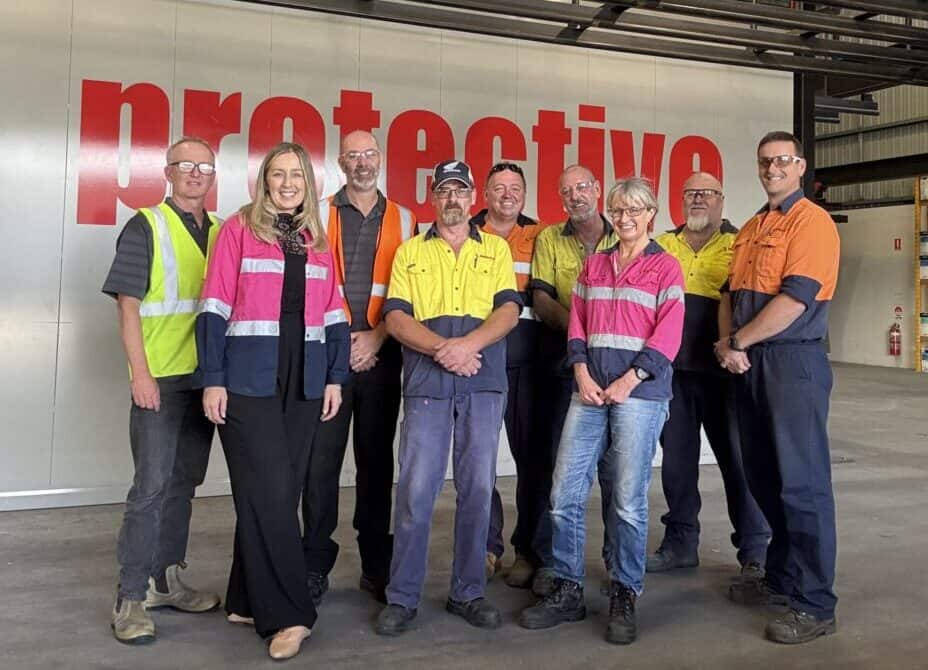
Protective Fencing Director Samantha Swain and General Manager Ben Gregson contributing industry and manufacturing expertise to the development of Australia's draft security fencing standards. AS 5394:2026 and AS 4100:2026 alongside other industry leaders.
What AS 5394:2026 will deliver for high security fencing
The high security fencing draft sets a clear, dedicated benchmark for high security perimeter fencing, including anti-climb panels and vertical members. Until now, specifiers and procurement teams have been working across multiple referenced standards to piece together a compliant high security solution. This is exactly the gap we have previously highlighted in the context of SoCI compliance, where asset owners have been left to interpret what physical security actually looks like on the ground. A single, focused standard removes that ambiguity.
For asset owners protecting critical infrastructure, this clarity is significant. Specifications become easier to write. Tender comparisons become more transparent. The line between genuine Australian security fencing and lookalike products becomes far harder to blur.
For installers and contractors, the new standard means clearer expectations and fewer disputes about what compliance actually looks like on site.
For manufacturers operating to a higher technical bar, the standard rewards investment in quality. It separates manufacturers who build to deliver from those who build to a price.
Higher-performing fencing standards directly support the core principles of perimeter security design, particularly the elements of deterrence, delay, and denial that asset owners rely on to protect critical infrastructure.
Anti-climb design takes centre stage
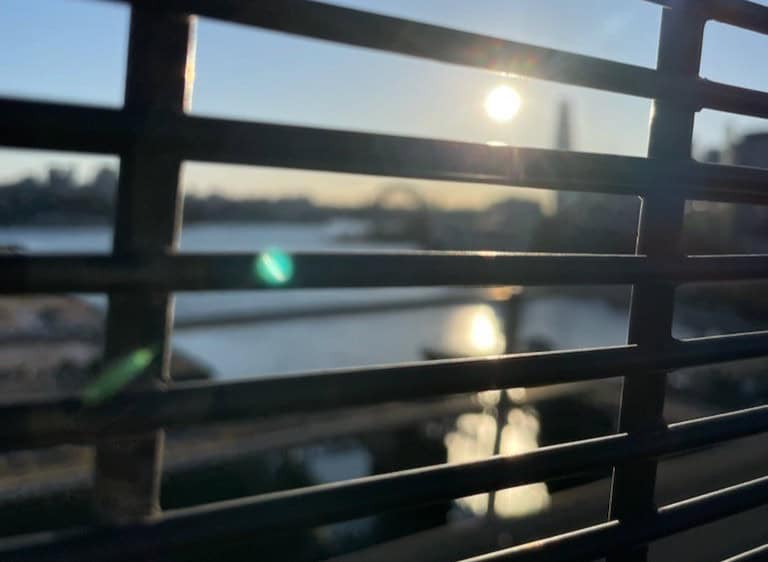
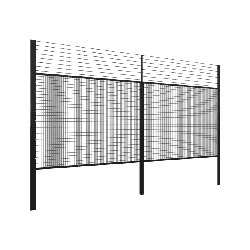
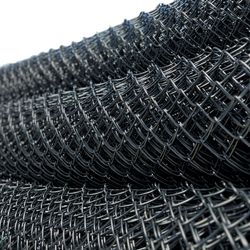
The tight 76 x 13mm aperture of 358 mesh makes hand and foot holds nearly impossible, a key anti-climb performance feature recognised under AS 5394:2026.
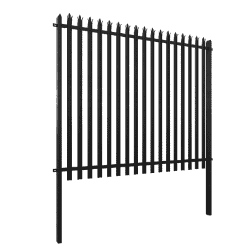
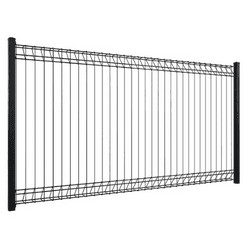
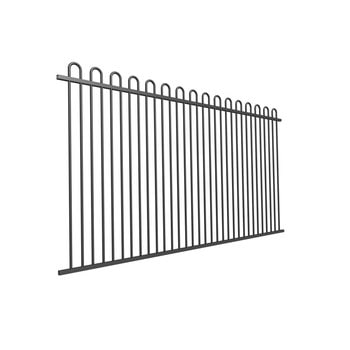
One of the most important elements of AS 5394:2026 is its focus on anti-climb performance. Anti-climb mesh systems such as 358 mesh have become the benchmark for high security applications because the tight aperture size makes hand and foot holds nearly impossible. Vertical-pale palisade systems achieve the same anti-personnel outcome through different geometry. Both approaches will be recognised under the new standard, which acknowledges that there is more than one valid way to build a high-performing anti-climb fence.
What AS 4100:2026 will deliver for steel fencing structures
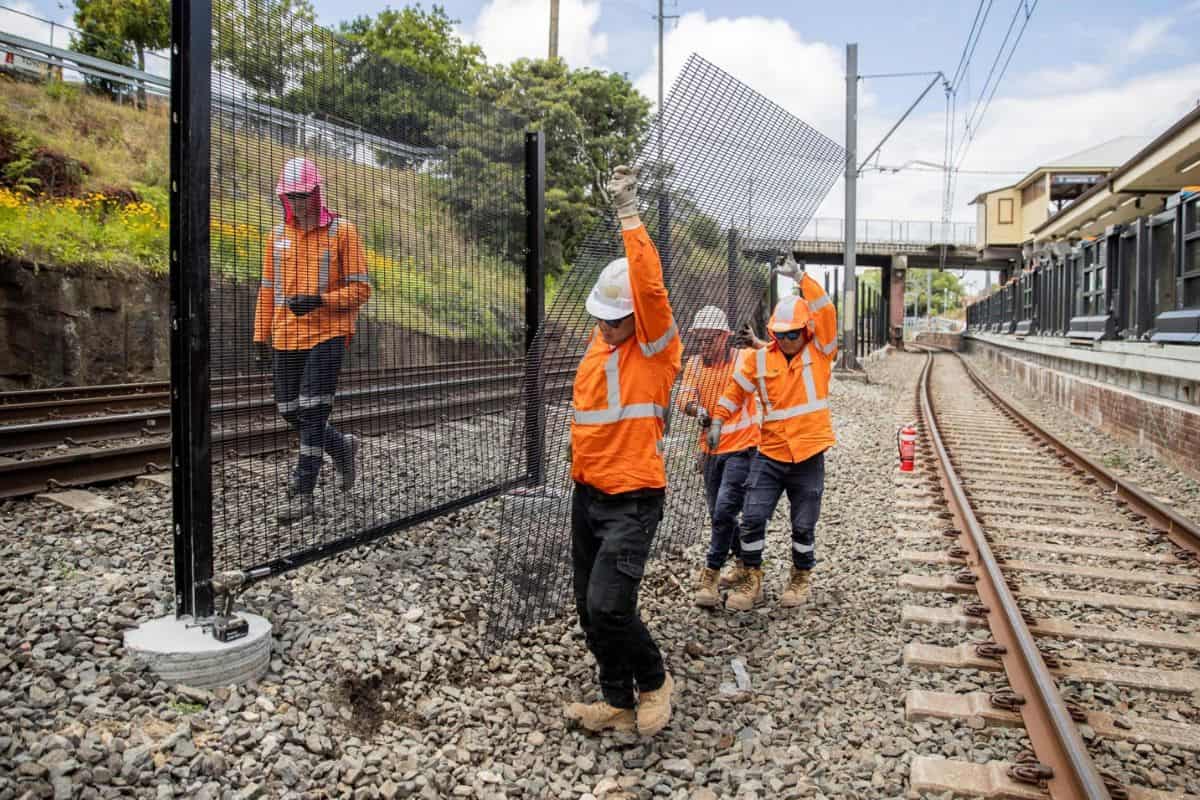
Profence installation team fitting Promax™ 358 anti-climb mesh for the Sydney Metro project, engineered to AS 4100 standards.
The draft for steel structures underpins almost everything we do. Posts, frames, gates, brackets, and the connections between them all rely on AS 4100. An updated standard that reflects current engineering practice, modern materials, and contemporary load conditions strengthens every steel-based fencing system specified against it.
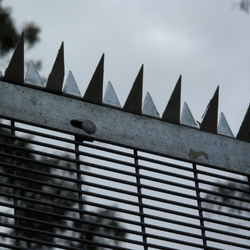
This includes products such as our Promax™ 358 anti-climb mesh, palisade fencing, and Razorback® spiked fence rail, all of which are engineered against AS 4100 and supporting Australian Standards.
For the broader construction industry, the flow-on effects are substantial. Designers gain a more accurate framework. Engineers gain clearer guidance. Asset owners gain greater confidence in the structural performance of what they are buying.
Why this is good news for the security fencing industry
Updated Australian security fencing standards lift the floor. They do not punish quality manufacturers, they reward them. Here is what we expect to see as these drafts move toward publication.
- Improved safety outcomes for workers and end users. Better-defined performance requirements mean fewer borderline products in service, which reduces failures, reduces injuries, and reduces the long tail of remediation work that follows poor specification.
- Stronger protection of critical infrastructure. As threats to utilities, transport corridors, government facilities, and commercial sites continue to evolve, fit-for-purpose high security fencing standards give asset owners a defensible, evidence-based way to specify protection.
- A more level playing field for Australian manufacturers. Clear, enforceable standards make it harder for non-compliant imports to compete on price alone. The difference between Australian Made and 100% Australian sourced becomes far more meaningful when standards are tightened. That protects local jobs, local capability, and the long-term resilience of Australian manufacturing.
- Greater confidence for specifiers and procurement teams. Engineers, architects, project managers, and procurement professionals can write tighter specifications with less risk of misinterpretation. That speeds up procurement, reduces disputes, and improves project outcomes.
- Career growth for the people in the industry. Updated standards drive demand for skilled installers, qualified inspectors, and technical sales professionals who can interpret and apply them. For tradespeople and project teams, that translates to better training, better wages, and a stronger professional identity.
- Innovation incentives. Standards that define performance outcomes, rather than locking in outdated methods, give manufacturers room to invest in new materials, smarter designs, and more efficient installation methods. Profence has already invested heavily in advanced manufacturing technology including robotic welding, AI-driven design, and integrated digital systems, all of which support the precision and traceability that updated standards demand.
What happens next?
The public comment periods for the draft standards closed in June 2026. Feedback received through that process will help inform the next stages of development as the drafts progress towards publication.
For manufacturers, engineers, specifiers, asset owners and contractors, the focus now turns to understanding what the proposed changes could mean for future security fencing design, specification and compliance.
The Profence position on Australian security fencing
Profence has manufactured high security fencing and infrastructure protection systems for decades. We supply 358 mesh, palisade, and custom perimeter solutions that protect substations, water assets, rail corridors, defence sites, and critical commercial infrastructure across the country. We know what failure looks like, and we know what longevity looks like
Protective Fencing was proud to contribute to the development of the draft standards, with Director Samantha Swain and General Manager Ben Gregson participating alongside industry leaders, engineers and standards committee members.
Strong standards build a stronger industry. We are proud to be part of writing them.
Talk to the experts today
If you are planning a project requiring Australian Standards, the Profence team can assist with selecting the correct product to meet your site specification.
Phone 1300 436 200 or email sales@profence.com.au