



⏱️ 6 minute read
CHAINWIRE GATES, CHAIN LINK GATES & CHAIN MESH GATES
Chainwire is sometimes referred to by different names depending on the region. Across Australia terms such as chainwire, chain link or chain mesh mean all the same thing.
Originally manufactured in the United States as cyclone fencing and at the time was the only fence that could stand up to the harsh weather conditions, specifically the strong winds or cyclones/hurricanes!
Regardless of the terminology used, these systems refer to woven wire mesh attached to a steel frame to form a gate or fencing panel. While the names may vary, the materials used and the fabrication methods applied ultimately determine how well a chainwire or chain link fence or gate performs over time.
WHERE CHAINWIRE & CHAIN LINK GATES ARE COMMONLY USED
Chainwire gates, whether used for domestic fencing or integrated into security gates, are widely specified in environments where visibility, airflow and durability are important.
Applications include:
- industrial facilities
- commercial properties
- sporting facilities such as tennis courts
- infrastructure and utilities
- public spaces such as parks, dog parks, playgrounds and other community facilities
In many projects, chainwire gates are installed as part of the full chainwire fencing systems to create secure perimeter fencing that allows visibility through the mesh.
FRAME STRENGTH STARTS WITH THE RIGHT STEEL
The durability of a chainwire gate begins with the steel used to make the frame. Pipe grade, diameter and wall thickness all influence the rigidity of the gate and its resistance to bending or distortion over time.
Profence chainwire gates are fabricated using 250 Grade light steel pipe manufactured to AS1074, ensuring consistent structural strength throughout the gate.
Typical retail chain link gates are often fabricated using ungraded pipe with smaller diameters and thinner wall thicknesses.
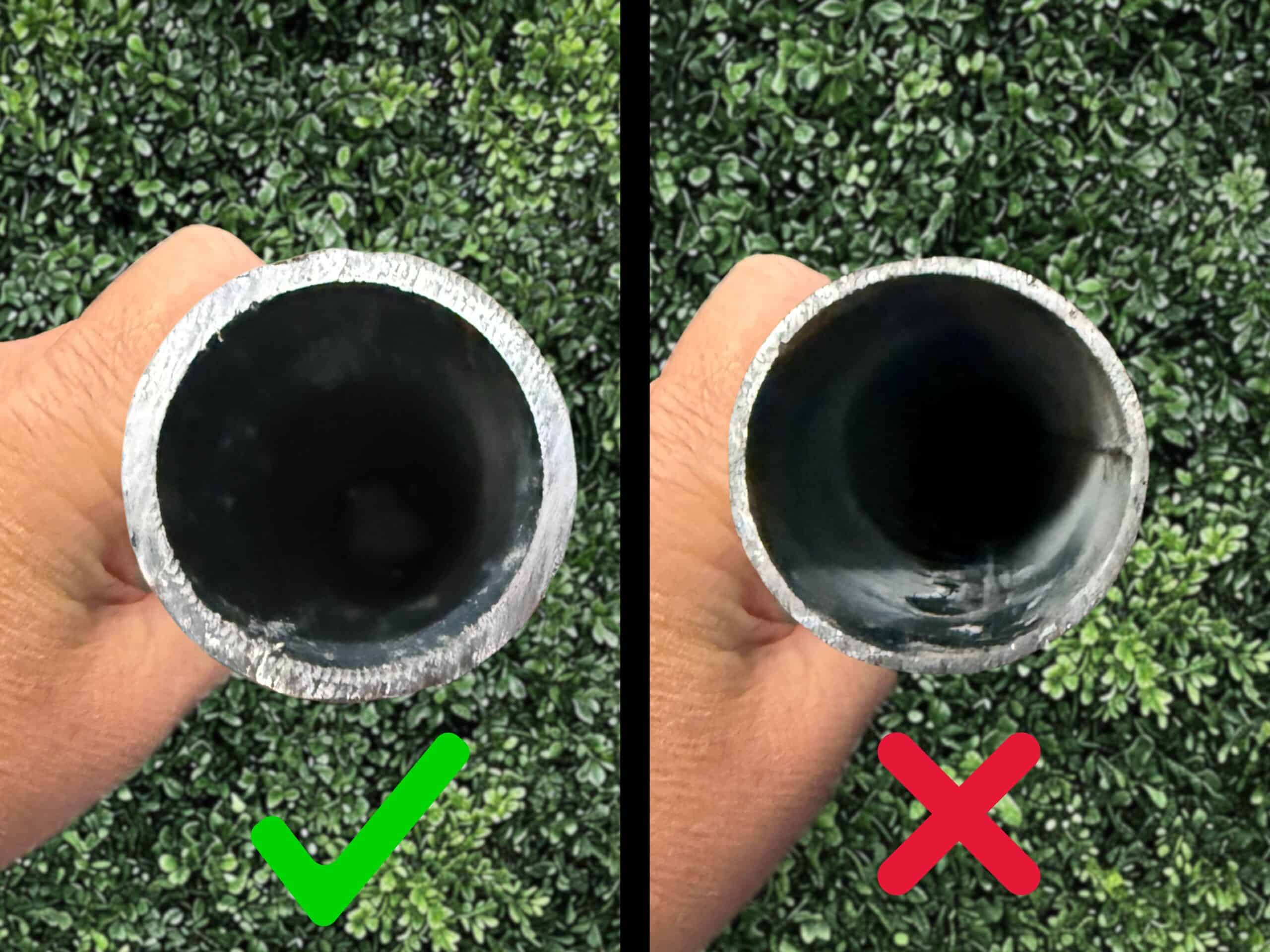
Steel pipe thickness comparison between a Profence chainwire gate frame and a typical retail chain link gate.
| SPECIFICATION | PROFENCE CHAINWIRE GATE | TYPICAL RETAIL IMPORTED GATE |
|---|---|---|
| Steel pipe grade | 250 Grade light steel pipe (AS1074) | No grade steel pipe |
| Pipe diameter | 25NB | 20NB |
| Pipe Wall | 2.6mm | 2.0mm |
| Hand hole | Fabricated from the same 25NB steel pipe | Fabricated from small steel tube |
Comparison of frame steel specifications between a Profence chainwire gate and a typical imported chain link gate.
Close up comparison showing the hand hole fabricated from the same structural pipe used in a Profence chainwire gate frame compared with a typical retail chain link gate where the hand hole is formed using lighter material. Proper fabrication improves durability and long term gate performance.
HOW CHAINWIRE IS FIXED TO A GATE
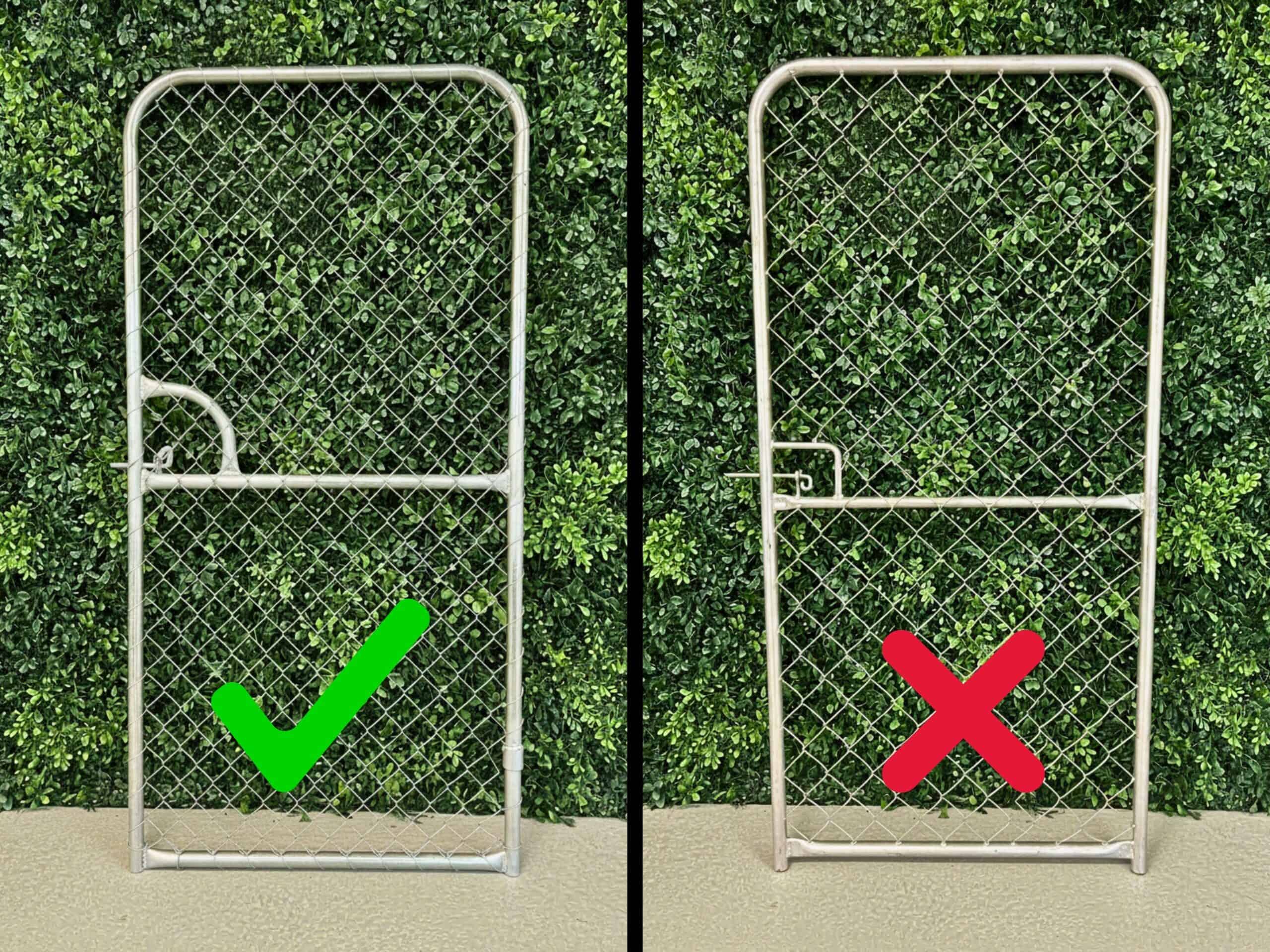
Chainwire mesh laced to the frame on a Profence chainwire gate compared with spot welded mesh on a typical retail chain link gate.
The method used to secure the chainwire mesh to the gate frame plays an important role in the durability of chainwire gates.
Profence gates use fully laced chainwire, secured to the frame using Australian made tie wire. This traditional method distributes load evenly along the frame and helps the mesh maintain proper tension over time.
Some lower cost chain link fence gates secure the mesh by spot welding the chainwire directly to the frame, which concentrates stress at individual weld points.
| SPECIFICATION | PROFENCE CHAINWIRE GATE | TYPICAL RETAIL IMPORTED GATE |
|---|---|---|
| Chainwire fixing method | Fully laced chainwire | Spot welded mesh |
| Tie wire | 2.0mm Australian wire | Not used |
| Load distribution | Even load along the frame | Load concentrated at weld points |
The difference in fabrication method can significantly affect the durability and long-term performance of chainwire and chain mesh gates.
CHAINWIRE MESH SPECIFICATION MATTERS
The strength and durability of chainwire mesh is determined by both the wire diameter and the diamond aperture size.
Profence gates use Australian made 2.5mm cable wire chainwire mesh with a 50mm diamond aperture, providing improved rigidity and resistance to deformation compared with lighter gauge mesh.
Many retail chain link gates use thinner wire with larger apertures.
| SPECIFICATION | PROFENCE CHAINWIRE GATE | TYPICAL RETAIL IMPORTED GATE |
|---|---|---|
| Wire diameter | 2.5mm cable wire | 2.0mm wire |
| Diamond aperture | 50mm | 70mm |
| Wire origin | Australian made wire | Imported wire |
Although these differences may appear minor visually, heavier wire and tighter mesh provide improved durability and strength for chainwire and chain mesh gates.
GATE HAND HOLE AND HINGE COLLAR CONSTRUCTION
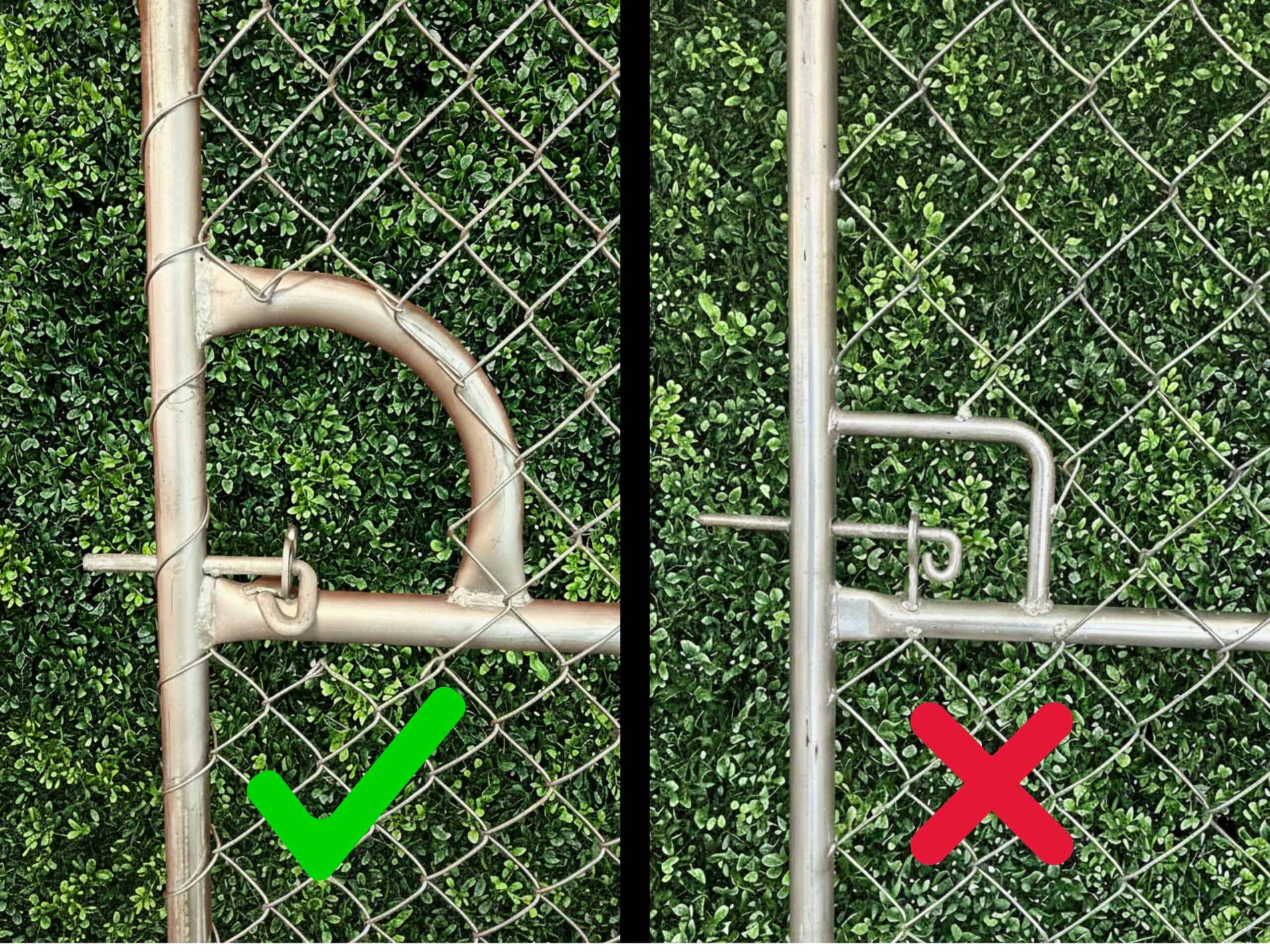
Small construction details can have a significant impact on how a gate performs over time.
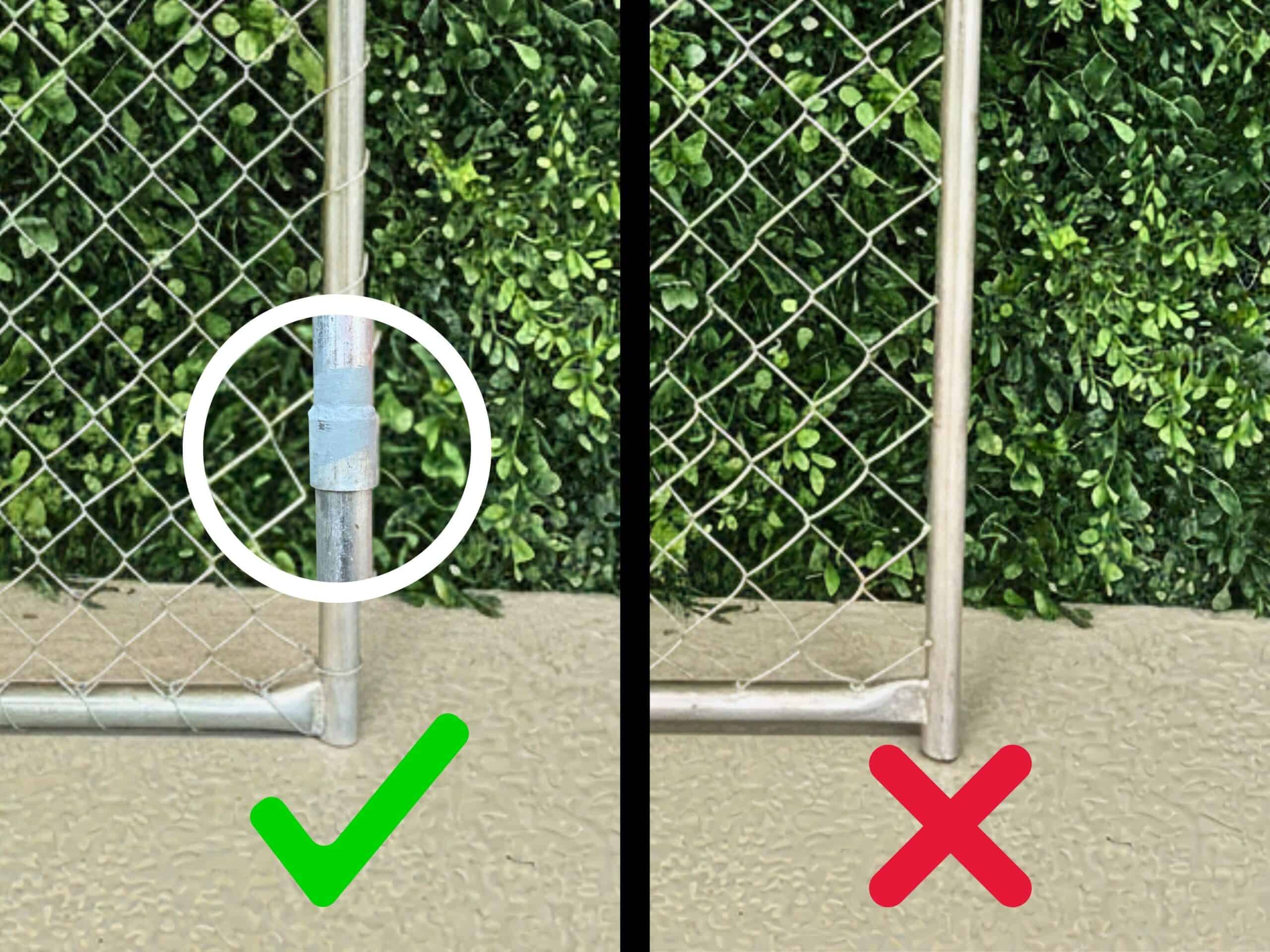
Profence gates incorporate a hand hole fabricated from the same structural pipe used in the gate frame, along with a hinge collar to improve stability and support at the hinge point.
Hinge collars provide improved load distribution and make it easier to maintain correct alignment over the life of the gate.
Typical imported chain link gates often omit these features, which can lead to increased stress at hinge points and potential sagging over time.
| SPECIFICATION | PROFENCE CHAINWIRE GATE | TYPICAL RETAIL IMPORTED GATE |
|---|---|---|
| HAND HOLE | 250 Grade light steel pipe (AS1074) | Fabricated from smaller steel tube |
| HINGE COLLAR | Yes | No |
FABRICATED PROPERLEY. BUILT TO LAST...
So when it comes to chainwire gates, whether referred to as chainwire, chain link or chain mesh, it is worth taking a closer look at how the gate is actually fabricated.
Performance over time can vary significantly depending on the materials used, the fabrication methods applied and the attention given to construction details. Differences in frame steel, mesh attachment methods and hinge construction can all influence how well a gate withstands daily use once installed.
Security fencing systems incorporating chainwire gates are commonly designed with reference to AS/NZS 1725, the Australian Standard covering chain link fabric security fences and gates. While the standard defines minimum expectations for materials and construction, fabrication quality and attention to detail still play a major role in long term reliability.
Taking the time to understand these construction details early can help avoid premature damage, ongoing maintenance and unexpected replacement costs.
Talk to the experts today
If you are planning a project requiring chainwire gates or chain link fence gates, the Profence team can assist with selecting the correct specification for your site.
Profence manufactures a full range of fabricated gates and our in house CAD technical drafting team can assist with project specific gate designs where required.